
Biological Engineering
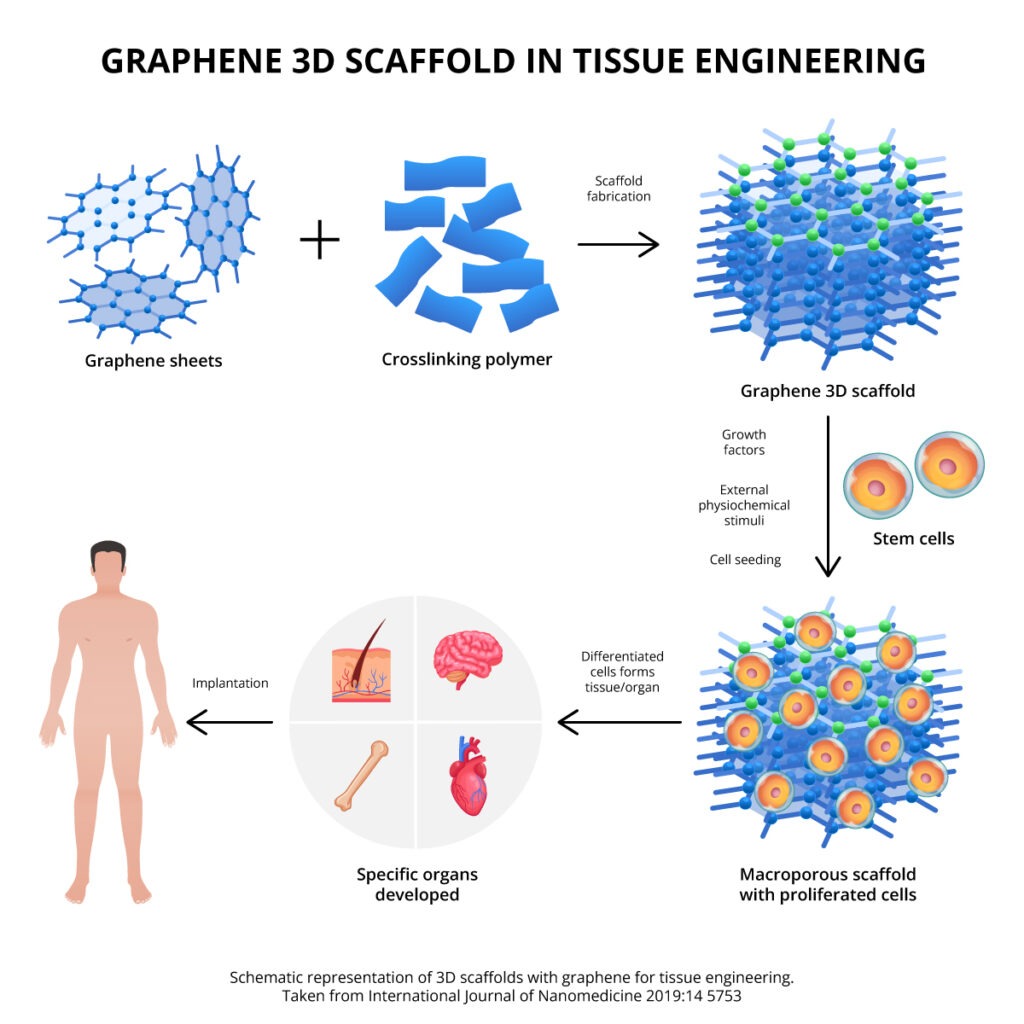
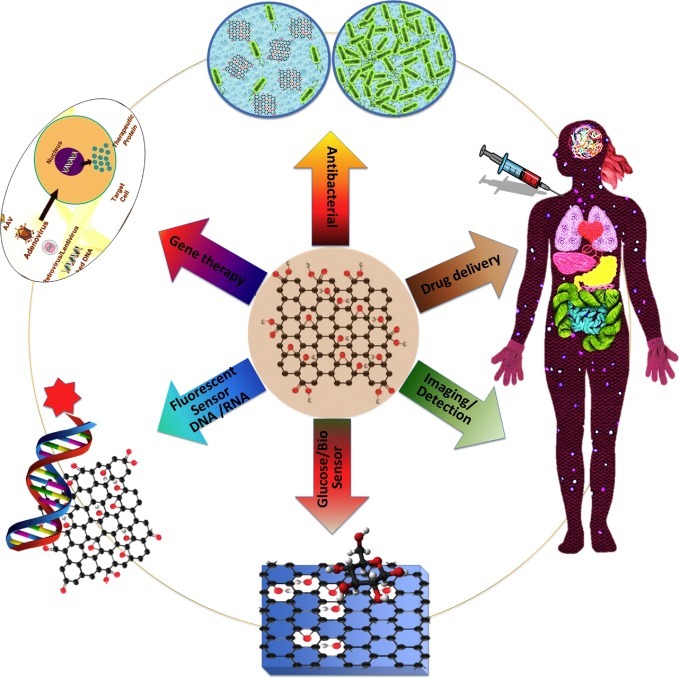
Bioengineering will certainly be a field in which graphene will become a vital part of in the future; though some obstacles need to be overcome before it can be used. Current estimations suggest that it will not be until 2030 when we will begin to see graphene widely used in biological applications as we still need to understand its biocompatibility (and it must undergo numerous safety, clinical and regulatory trials which, simply put, will take a very long time). However, the properties that it displays suggest that it could revolutionize this area in a number of ways. With graphene offering a large surface area, high electrical conductivity, thinness and strength, it would make a good candidate for the development of fast and efficient Bioelectrically Sensor Devices, with the ability to monitor such things as glucose levels, hemoglobin levels, cholesterol and even DNA sequencing. Eventually we may even see engineered ‘toxic’ graphene that is able to be used as an antibiotic or even anticancer treatment. Also, due to its molecular make-up and potential biocompatibility, it could be utilized in the process of tissue regeneration.
Early on
I am so fascinated by photography and it’s capability to bring your imagination to amazing places. Early on, I fell in love with the idea of filming my own productions, so I set out to learn everything I could.
Current
I have been teaching myself filmmaking for the past four and a half years and I’m still learning every day. I am building my business as a freelance filmmaker, as well as working on my own photo shoots.